
User Experience is not the same as Marketing

For the nth time, I am mentioning this, at the risk of sounding cliched, “User Experience is not the same as Marketing”. This is more true in the context of referring to customer and user research. While some terms and activities such as profiles, personas and interviews do happen to be common to both User Experience, that does not give us a blanket permission to assume that they both are one and the same. The very use of the words “Customers” and “Users” says it all – marketing is all about customers and prospects, whereas User Experience is well, about “users”. The importance of this topic came into the fore once again, thanks to a recent conversation with one of my clients. In this post, I wish to draw the main differences between User Experience and Marketing/Sales. Hope what you read and see below, will help shatter a few myths and misconceptions out there in most people’s minds.
Marketing helps build brands
I am not Philip Kotler to define what Marketing is. However, to my mind, Marketing is about the planning, activities and the outcomes related to understanding the needs of customers. The function of marketing helps organisations to create products, services and offerings to meet the needs of the existing and potential customers. And yes, marketing is about the brand that encompasses Marketing is a function of the 4Ps – Product, Price, Place and Promotion. And of course a fifth P was later added, which stands for Positioning. But I would say why stop at 5Ps? The sixth P that I would add for Marketing is “People”.
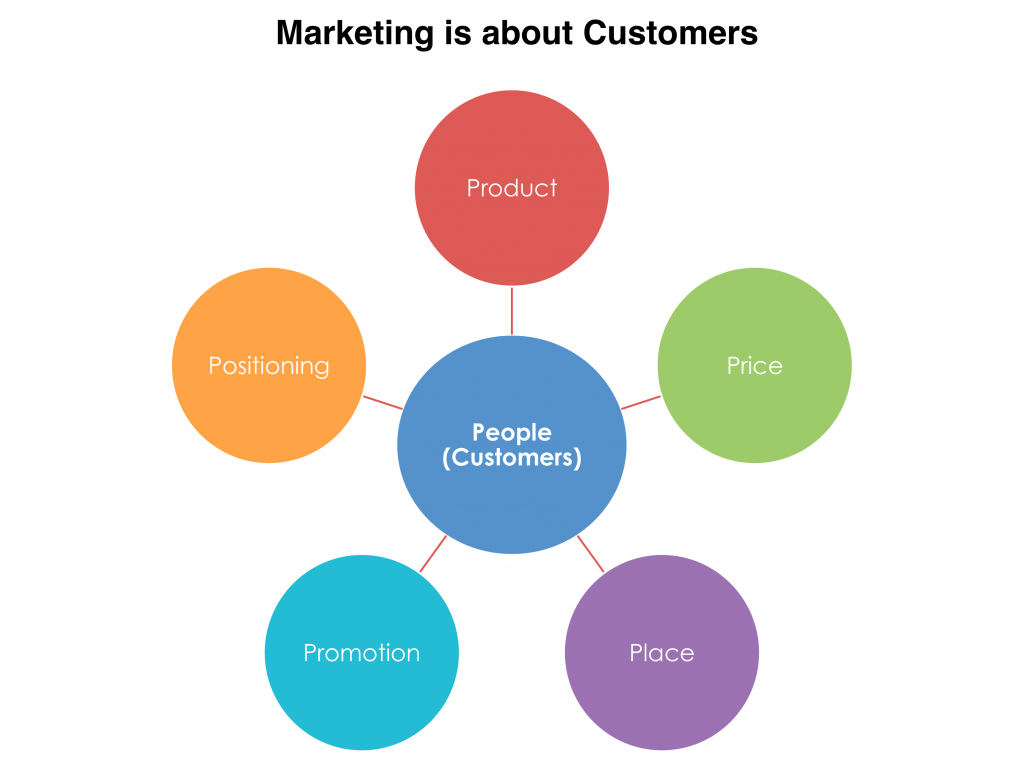
User Experience helps create Products
Like Marketing, User Experience is also about people and understanding their needs. However, as the words have it all it is about “users” and usage experience and not customers or prospects. However the focus for UX is on the consumers of the products and services more than anything else. It tries to look at the various elements of the experience such as satisfaction speed of performing the tasks. The 5E model of User Experience focuses on Ease of use, Easy to learn, Effectiveness, Efficiency and Error-free nature of the products and services. Over the years, UX has been catering to products more than services.
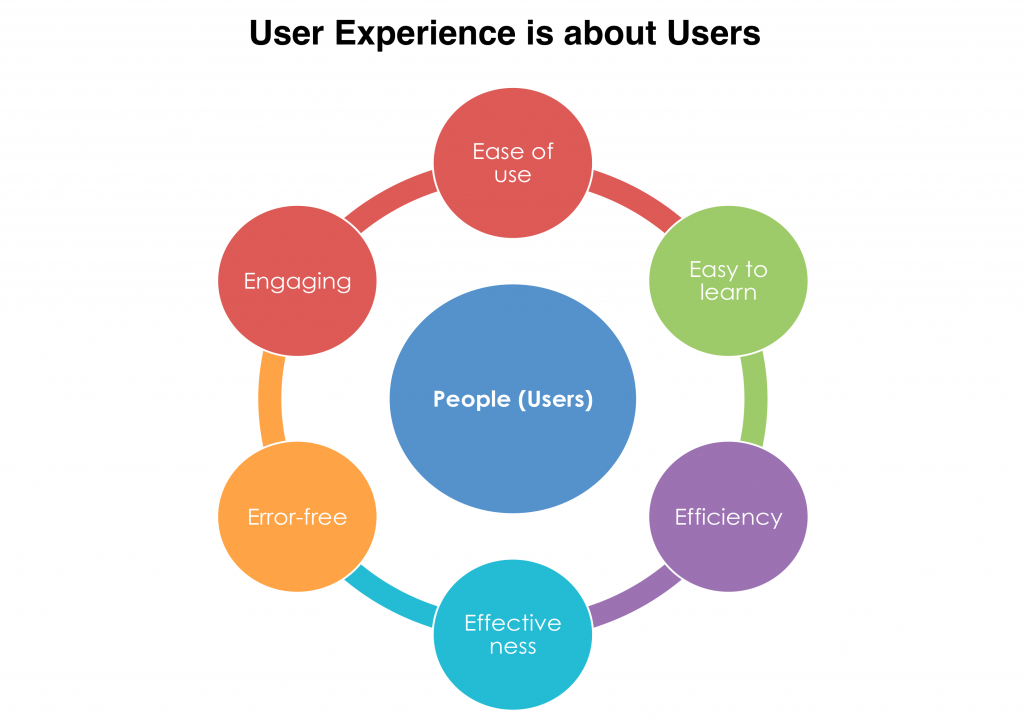
Similarities between Marketing and User Experience
While most of the other disciplines help provide the perspectives internal to the organisation. These range from operations, administration, finance and other support processes etc. Whereas Marketing, Sales and User Experience offer an external perspective on the organisation, brand, products and services. Both Marketing and User Experience are cost centres. Both of these rely extensively on quantitative and qualitative data. They use similar tools and techniques such as interviews, discussions, tests, among others. Both can be used to test the concepts, ideas and new products in their early stages. In marketing, you call it as Market Testing or test marketing, whereas in User Experience, we refer to it as User Testing.

Differences in Marketing/Sales and User Experience
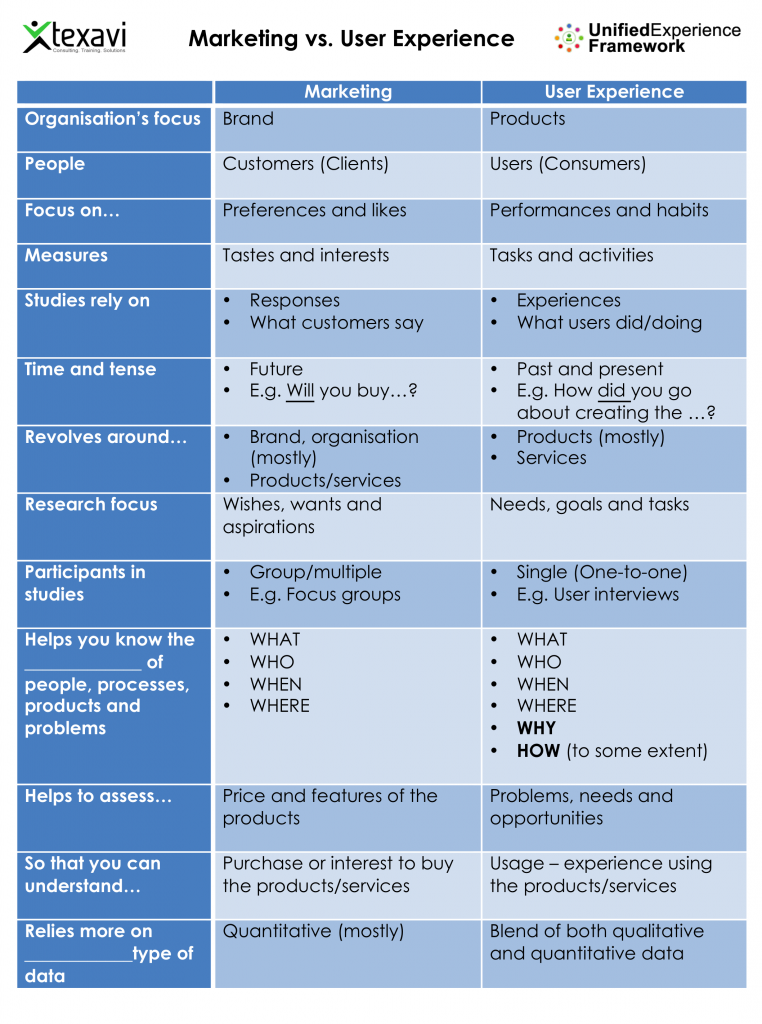
I give below a table with the differences between Marketing and User Experience, for your quick reference. After all, its important for me to market my User experience skills 🙂
Hope this post is helpful to you. As always, I welcome your feedback for the improvement of the blog content and coverage.
Merry Christmas and a Happy New Year, 2013! Happy Holidays 🙂
Responses